Decorative Art Mandala Design: How to Choose Formats That Actually Work for Your Project
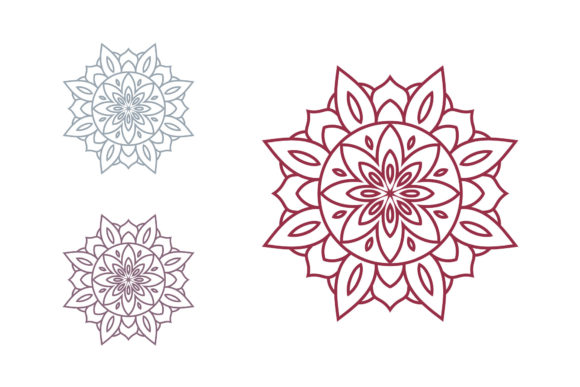
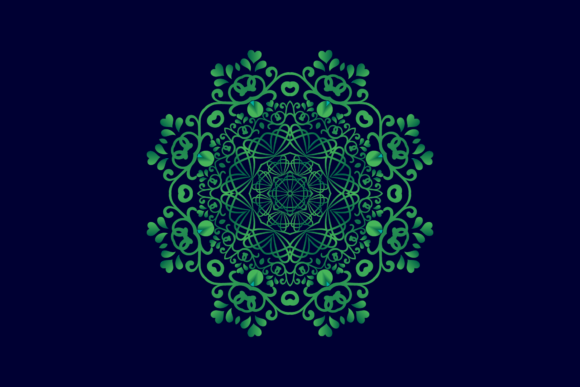
Mandala art has transcended its spiritual origins to become a staple in modern interior design, branding, and digital content creation. Whether you are looking to create a serene focal point for your living room or need intricate vector graphics for a marketing campaign, Decorative Art Mandala Design offers a versatile solution. However, the difference between a stunning final product and a frustrating technical headache often comes down to one specific factor: file format.
Many creators rush into purchasing designs without considering how they intend to use them. This oversight can lead to pixelated prints, incompatible software issues, or unnecessary costs for editing services. By understanding the nuances of vector versus raster formats, you can ensure that your investment yields high-quality results every time. Below, we break down the essential considerations for selecting the right decorative art mandala design files for your needs.
The Critical Importance of File Format Selection
When browsing online marketplaces, you will encounter a variety of file extensions. It is easy to assume that all image files are created equal, but this is a common misconception that can compromise your project’s quality. The core distinction lies between vector files, which use mathematical equations to define shapes, and raster files, which rely on a fixed grid of pixels.
If you plan to cut vinyl for a decal, engrave wood with a laser, or scale a logo up to billboard size, you absolutely need vector data. Raster images will lose clarity and become jagged when enlarged. Conversely, if you are simply placing a small graphic on a blog post or social media feed, a high-resolution raster image may suffice and save you processing power. Understanding this distinction is the first step in avoiding costly mistakes.
Why Vector Formats Are Essential for Professional Results
For professionals, freelancers, and serious hobbyists, vector formats are non-negotiable. They offer infinite scalability without any loss of quality. When you purchase Decorative Art Mandala Design in vector formats, you gain the flexibility to edit individual elements, change colors instantly, and adapt the artwork to various mediums—from t-shirt printing to large-scale canvas wall art.
We provide our designs in three primary vector formats to accommodate different software ecosystems:
- AI Files (Adobe Illustrator): The industry standard for professional graphic designers. These files retain full layering and editing capabilities, allowing for deep customization.
- EPS Files (Encapsulated PostScript): A robust universal vector format compatible with a wide range of design applications, including CorelDRAW and older versions of Adobe software. This is ideal for users who do not have access to the latest Creative Cloud suite.
- SVG Files (Scalable Vector Graphics): Perfect for web developers and those using digital cutting machines like Cricut or Silhouette. SVGs are lightweight, code-based, and render beautifully on screens.
By offering these options, we ensure that whether you are a corporate marketer needing precise brand integration or a crafter preparing a weekend project, you have the tools necessary to execute your vision flawlessly.
Understanding Raster Options for Quick Deployment
While vectors are powerful, there are scenarios where raster images are more practical. If you are working within a strict timeline and need to drop an image into a pre-designed template in Canva, Photoshop, or PowerPoint, raster files are often the faster choice. They are ready to view and place immediately without requiring specialized vector-editing software.
We include two high-quality raster formats to support these workflows:
- PNG Files (Portable Network Graphics): Known for their transparency support, PNGs are excellent for overlaying mandala designs onto other backgrounds without a boxy white square surrounding them. This is particularly useful for digital planners, website headers, and layered composite art.
- JPG Files (Joint Photographic Experts Group): The most universally compatible image format. JPGs are smaller in file size and open in almost any application, from basic photo viewers to advanced editing suites. They are ideal for quick previews or low-bandwidth environments.
A common mistake here is assuming a JPG is sufficient for print. Always check the resolution. Our files are optimized for clarity, but for large-format printing, always default to the vector source to maintain sharpness.
DXF Files: Bridging Digital Design and Physical Creation
For the growing community of DIY enthusiasts and small business owners who use CNC routers, laser cutters, or vinyl plotters, the DXF format is a game-changer. Unlike AI or EPS files, which are primarily for visual design, DXF files are structured specifically for machine reading. They contain the path data required by cutting software to guide the blade or laser along the exact lines of the mandala.
Using a vector file meant for screen display in a cutting machine can result in misaligned cuts or wasted material. By providing dedicated DXF files, we eliminate the guesswork and reduce the risk of errors during the physical production phase. This is especially valuable for entrepreneurs creating custom home decor items, jewelry, or signage.
Technical Specifications and Usability
Consistency is key when managing design assets. All our Decorative Art Mandala Design files are standardized at a canvas size of 1920 px X 1280 px. This aspect ratio provides a balanced workspace that works well for both landscape-oriented projects and standard monitor displays. While this resolution serves as an excellent starting point for digital use, remember that vector files allow you to expand this canvas indefinitely for print purposes.
We guarantee that these designs are easy to use and can be edited as needed. Our files are organized logically, with layers grouped appropriately to prevent accidental deletion of complex geometric structures. This attention to detail saves hours of troubleshooting and allows you to focus on creativity rather than file management.
Best Practices for Evaluating and Using Your Designs
To get the most out of your purchase, follow these practical tips:
- Verify Software Compatibility: Before downloading, ensure your software supports the chosen format. If you only have Microsoft Word, a JPG or PNG is your best bet. If you have Illustrator or Inkscape, explore the vector options for greater control.
- Check Layer Integrity: Upon opening the file, inspect the layers panel. Complex mandalas can have hundreds of paths. Organizing these before you begin editing will streamline your workflow.
- Test Print Small Samples: If you are using the design for physical products, always run a test print on the actual material. Colors may shift slightly between RGB (screen) and CMYK (print) modes, so adjust accordingly.
- Backup Your Originals: Keep the original purchased files safe. Even if you convert them to another format later, having the source file ensures you can always make future edits without starting from scratch.
Choosing the right Decorative Art Mandala Design is about more than just aesthetics; it is about ensuring technical compatibility with your intended output. By selecting the appropriate format—whether it is the precision of AI and EPS, the web-readiness of SVG, the convenience of PNG and JPG, or the machine-specific utility of DXF—you protect your time, budget, and creative integrity.
Thank you for visiting our shop. We are committed to providing high-quality resources that empower your creativity. Thank you for purchasing our designs, and we look forward to seeing the beautiful projects you create with them.